 +91 7776966133
 theearthingworld@gmail.com
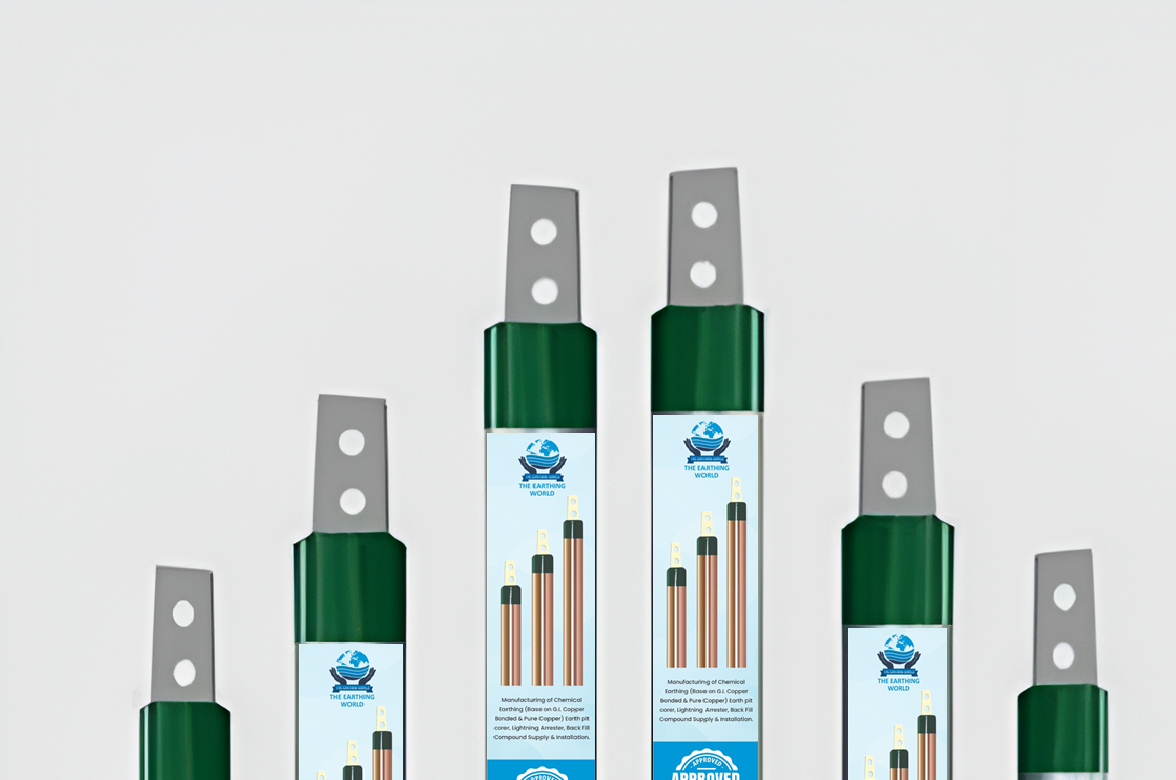
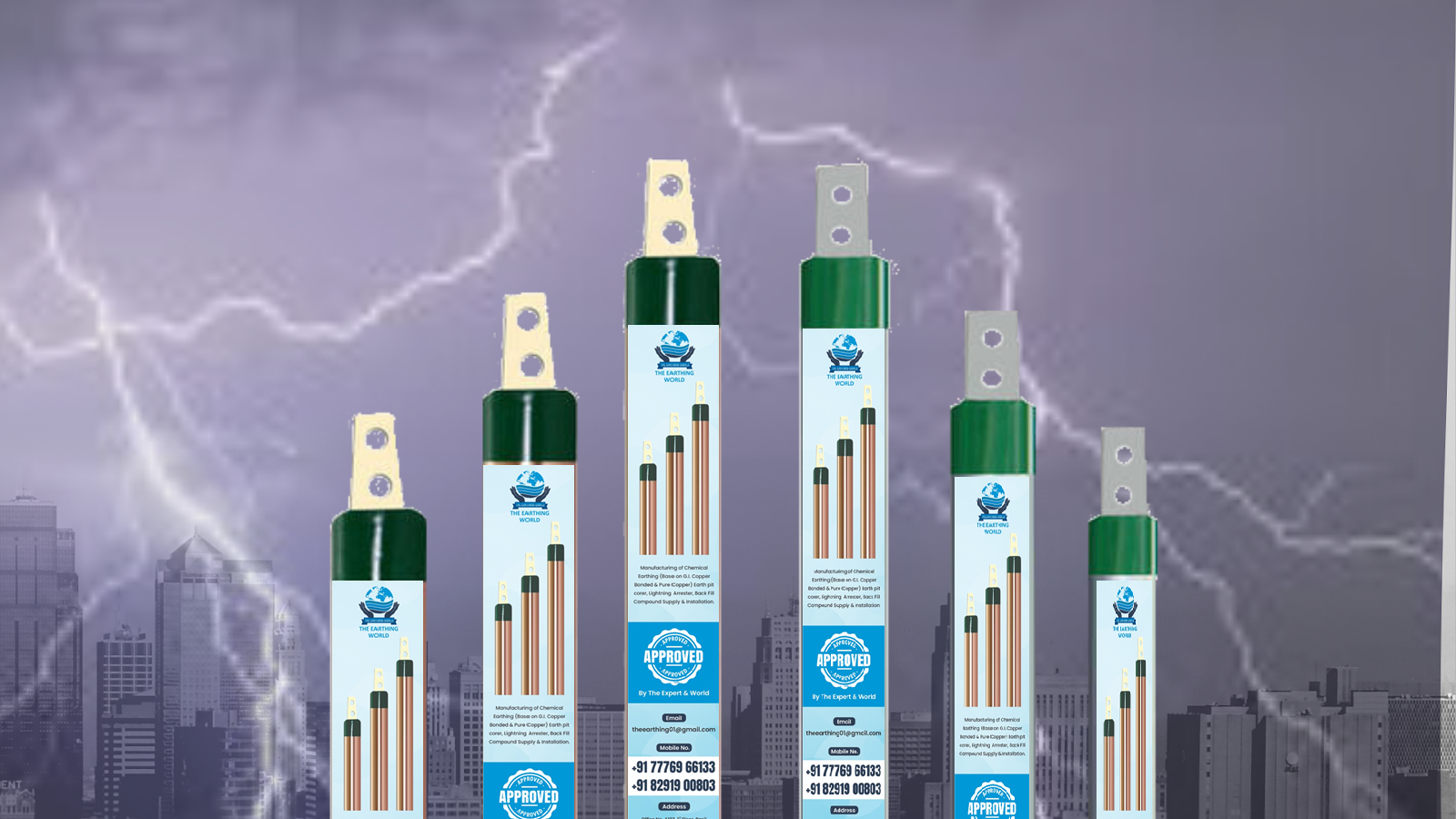
GI Earthing Electrode is manufactured using high-quality galvanized iron pipe, designed to provide efficient and reliable grounding for electrical systems. The galvanized coating offers excellent protection against corrosion, making it suitable for long-term outdoor and underground installations.
GI earthing electrodes are widely used in residential, commercial, and industrial applications where safe dissipation of fault current is required. They are cost-effective, durable, and suitable for varied soil conditions.
Key features
- Manufactured from high-grade galvanized iron
- Excellent mechanical strength and durability
- Corrosion-resistant zinc coating
- Stable earthing performance over time
- Suitable for all types of soil conditions
- Economical and easy to install
GI earthing electrodes provide dependable grounding protection, ensuring safety of electrical equipment, installations, and human life from leakage current, short circuits, and lightning surges.

High durability
Galvanized coating protects against rust and corrosion.

Cost-effective
An economical solution for reliable earthing systems.
Why choose GI earthing electrode
GI earthing electrodes are trusted for their strength, corrosion resistance, and reliable grounding performance.
These electrodes offer a perfect balance of performance and affordability, making them ideal for residential buildings, factories, commercial complexes, and infrastructure projects.
Technical Specifications
| SR | Outer Pipe Dia (MM) | Length (Mtr) | Terminal Size (MM) | Material | Specification |
|---|---|---|---|---|---|
| CB1 | 50 | 2 | 40 × 6 | Copper Bonded | Single Pipe |
| CB2 | 50 | 3 | 40 × 6 | Copper Bonded | Single Pipe |
| CB3 | 50 | 3 | 40 × 6 | Copper Bonded | Single Pipe |
| CB4 | 80 | 1 | 50 × 6 | Copper Bonded | Single Pipe |
| CB5 | 80 | 2 | 50 × 6 | Copper Bonded | Single Pipe |
| CB6 | 80 | 3 | 50 × 6 | Copper Bonded | Single Pipe |
| CB7 | 88 | 3 | 50 × 6 | Copper Bonded | Single Pipe |
Common questions about GI earthing electrode
A GI earthing electrode is a galvanized iron pipe used to safely discharge fault current into the ground.
They are commonly used in residential buildings, factories, commercial installations, and infrastructure projects.
They offer strong mechanical support, corrosion resistance, long service life, and economical installation.