 +91 7776966133
 theearthingworld@gmail.com
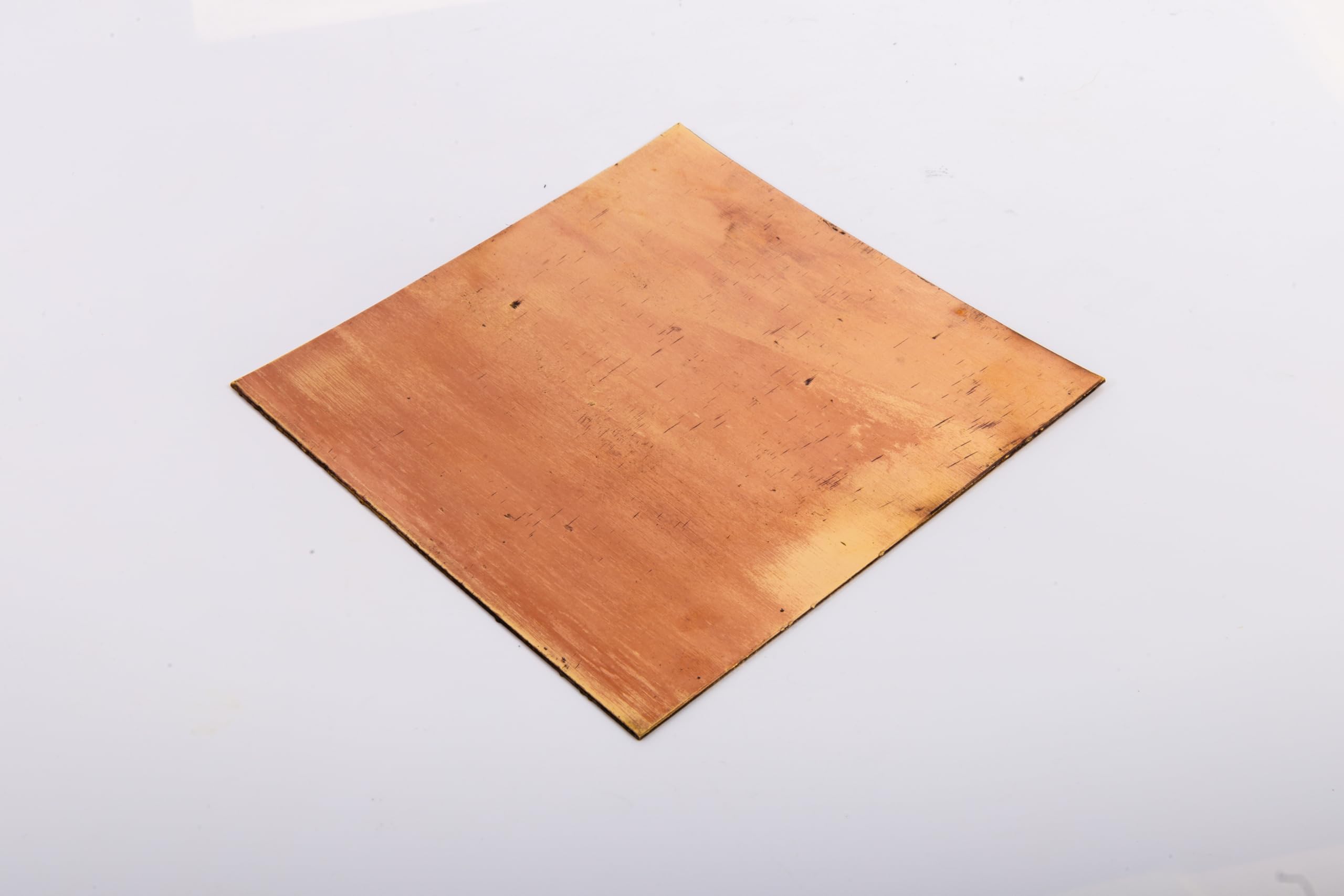
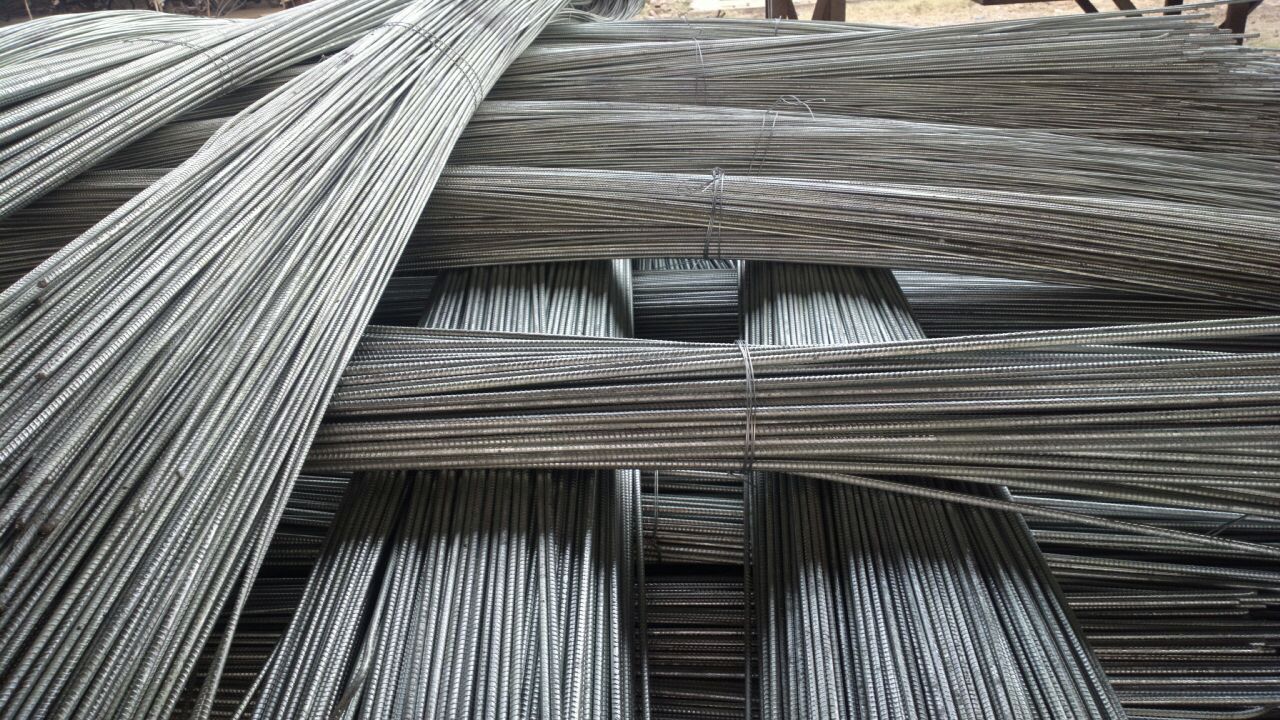
GI Earthing Strip is a durable and cost-effective grounding conductor used in electrical earthing and lightning protection systems. It is manufactured from high-quality galvanized iron, providing good conductivity along with excellent mechanical strength.
These earthing strips are widely used in residential buildings, industrial units, substations, power plants, and infrastructure projects where reliable earthing performance is required at economical cost.
Key features
- Manufactured from high-grade galvanized iron
- Uniform zinc coating for corrosion protection
- Good electrical conductivity
- High mechanical strength and durability
- Suitable for indoor and outdoor installations
- Economical solution for earthing systems
GI earthing strips provide a safe and effective path for fault current dissipation, helping protect electrical systems, equipment, and human life from electrical faults and lightning surges.

Corrosion protection
Galvanized coating ensures longer service life.

Cost-effective grounding
Reliable performance at economical pricing.
Why choose GI earthing strip
GI earthing strips are preferred for their durability, ease of installation, and economical cost.
These strips are ideal for large-scale installations where reliable grounding is required with controlled project budgets. They perform consistently in a wide range of soil and weather conditions.
Technical Specifications
| SR | Width (MM) | Thickness (MM) | Length (Mtr) | Material |
|---|---|---|---|---|
| HGS-1 | 25 | 5 | As Required | HDGI |
| HGS-2 | 32 | 5 | As Required | HDGI |
| HGS-3 | 40 | 5 | As Required | HDGI |
| HGS-4 | 50 | 5 | As Required | HDGI |
| HGS-5 | 75 | 6 | As Required | HDGI |
| HGS-6 | 75 | 10 | As Required | HDGI |
Common questions about GI earthing strip
A GI earthing strip is a galvanized iron conductor used to safely carry fault current from electrical systems to the ground.
They are used in residential buildings, factories, substations, infrastructure projects, and power installations.
GI earthing strips offer good conductivity, corrosion resistance, durability, and cost-effectiveness.